

Differential Amplifiers
Contents
Differential Amplifiers#
Why differential?#
It is quite rare to find single-ended amplifiers. Why should we choose a differential amplifier over a single-ended one?
Rejection of supply noise#
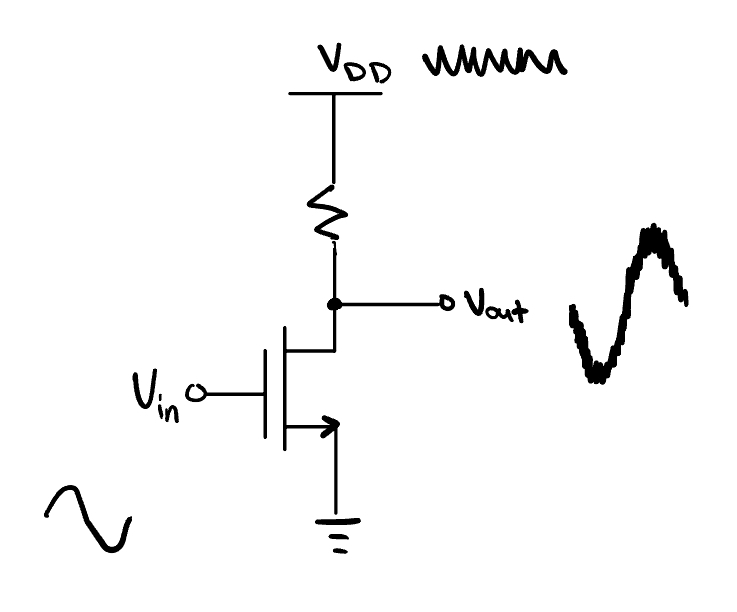
Fig. 57 Singled-ended amplifier.#
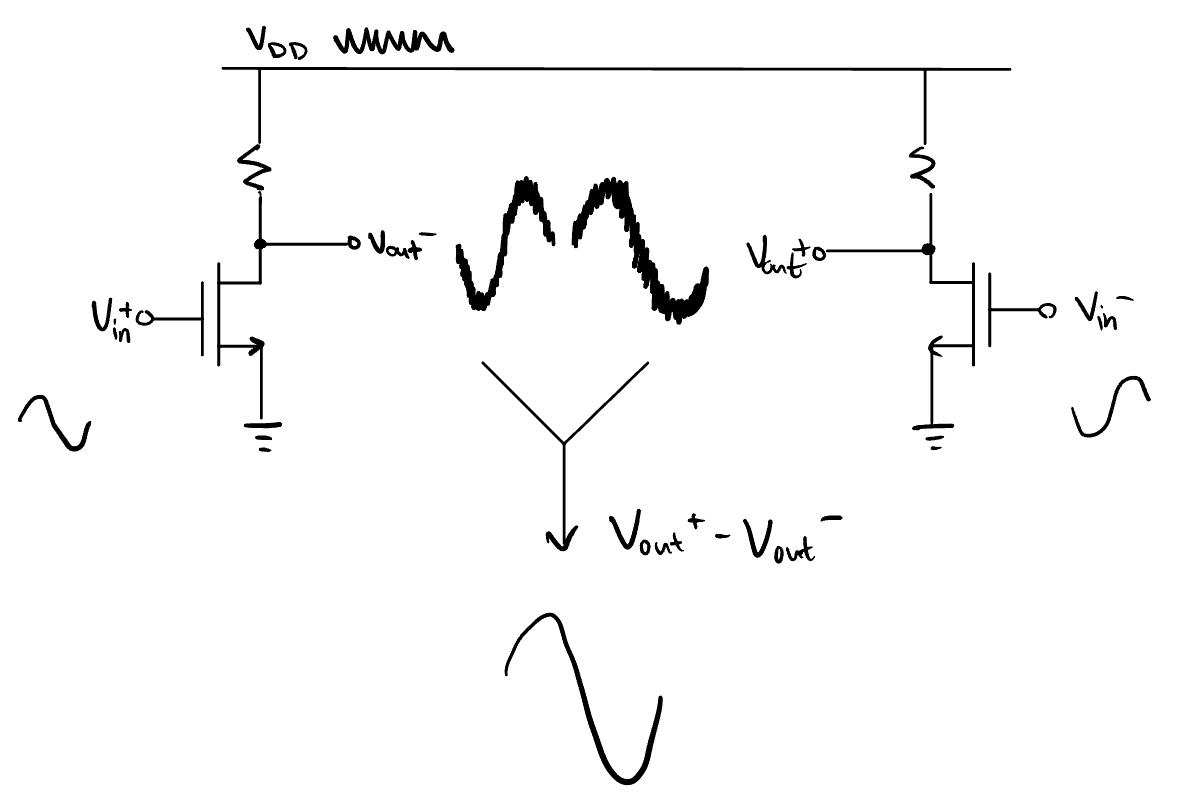
Fig. 58 Differential amplifier cancels out voltage source noise.#
Rejection of coupling#
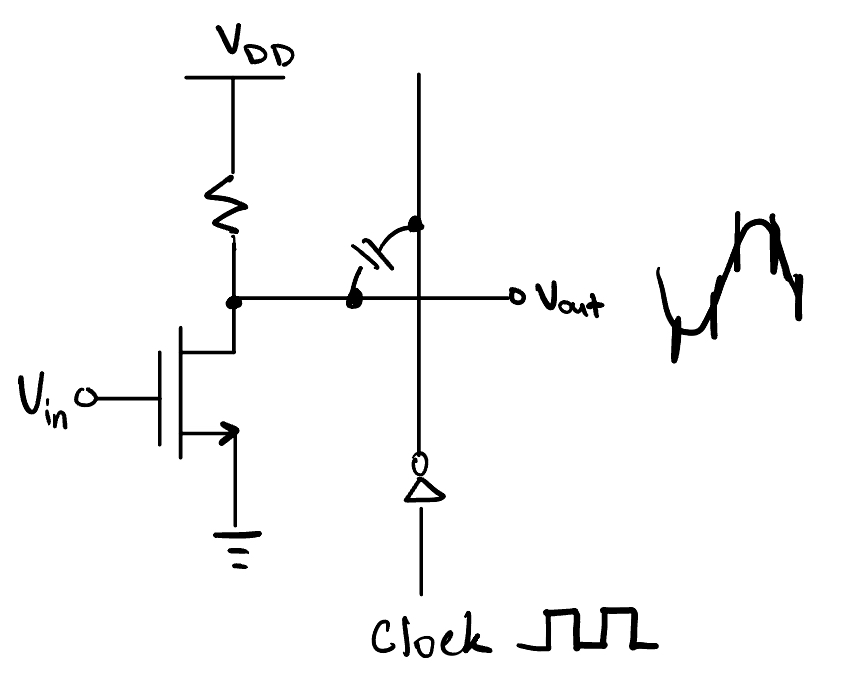
Fig. 59 Singled-ended amplifier picks up clock signal.#
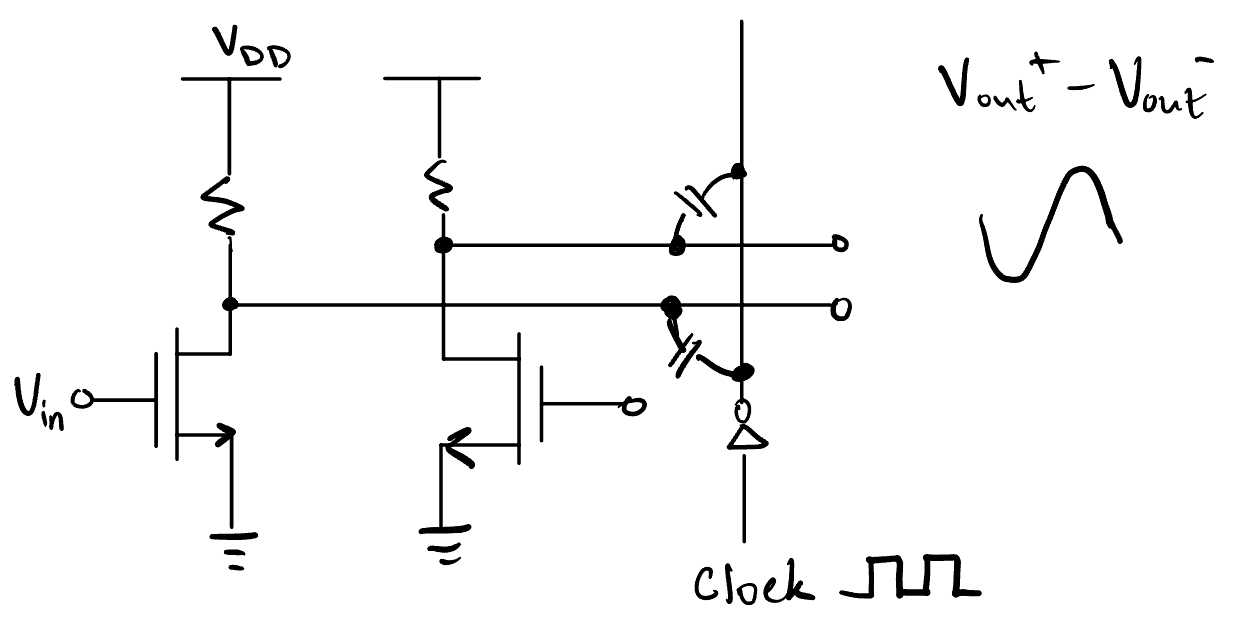
Fig. 60 Differential amplifier cancels out clock signal noise.#
Rejection of coupling to other circuits#
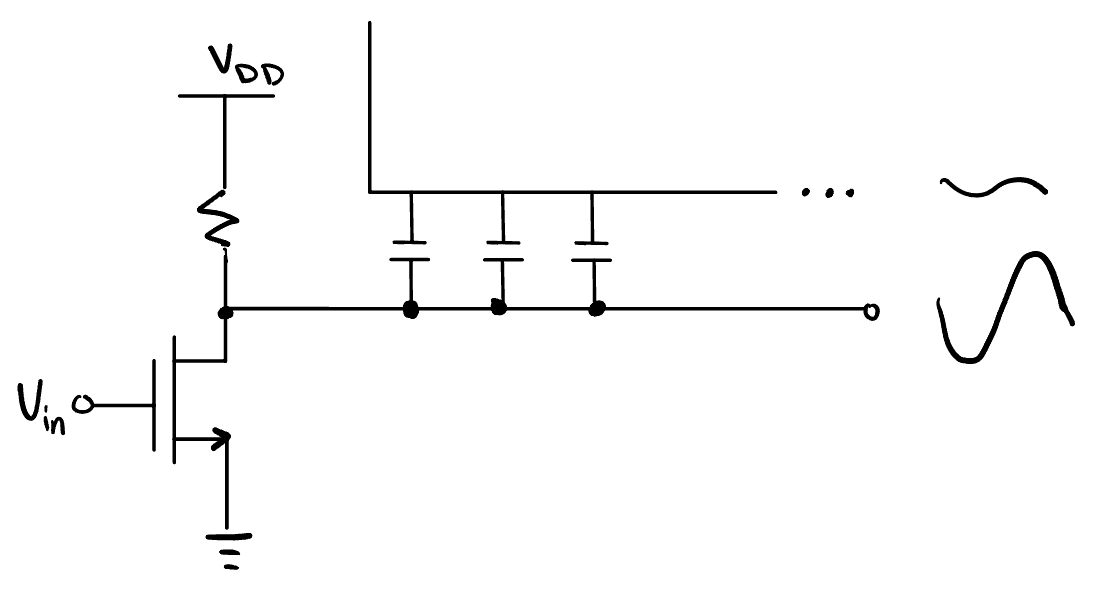
Fig. 61 Singled-ended amplifier couples to other circuits.#
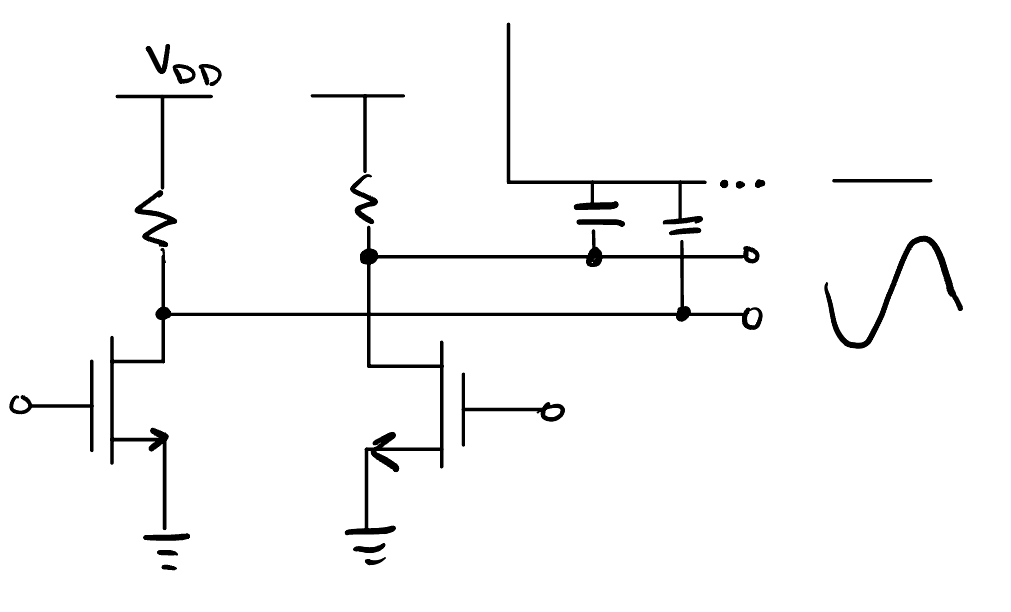
Fig. 62 Differential amplifier are layed out in such a way that parastitic capacitance is approximately the same between the two signals, cancelling each other out.#
Summary
✅ The max swing of a differential amplifier is about double that of a single-ended amplifier.
✅ Even-mode distortion is suppressed.
❌ 2x the power consumption.
❌ 2x the area (footprint).